
 By Nate Bash
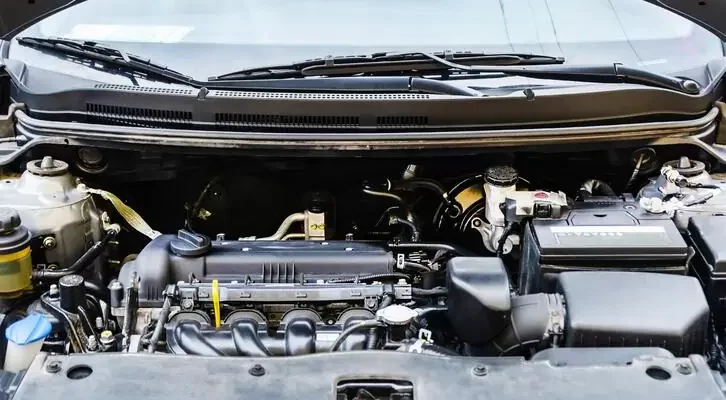
Opening the hood of a modern vehicle can feel intimidating. The space beneath the metal panel is dense, filled with an intricate network of hoses, wires, metal blocks, and plastic reservoirs. However, despite the complex appearance, an internal combustion engine bay is highly logical. Every component serves a specific purpose, categorized into distinct systems working together to keep the vehicle moving safely and efficiently.
Understanding these parts helps car owners communicate clearly with mechanics, troubleshoot basic performance issues, and perform routine maintenance. Breaking the engine bay down into its primary functional systems makes it much simpler to comprehend.
The Core Power Plant: The Internal Combustion Engine
At the center of the engine bay sits the engine block, the mechanical heart of the vehicle. This is where fuel converts into kinetic energy through controlled explosions.
-
The Engine Block and Cylinder Head: The engine block houses the cylinders where pistons move up and down. Sitting directly on top of the block is the cylinder head, which contains the intake and exhaust valves. These valves open and close at precise intervals to let air and fuel in, and to let exhaust gases out.
-
Spark Plugs: Found at the top of the cylinder head on gasoline vehicles, spark plugs deliver the electrical spark needed to ignite the compressed air-fuel mixture inside the cylinders. Diesel vehicles do not use spark plugs; they rely on high compression and glow plugs to ignite the fuel.
-
The Valve Cover: This metal or plastic cover bolts onto the top of the cylinder head. It keeps engine oil contained while protecting the delicate valve train components underneath from dirt and debris.
The Electrical System: Starting and Sustaining Power
Vehicles rely on a robust electrical network to crank the engine, manage computer modules, power lighting, and run climate controls. The under-the-hood electrical components act as a miniature power grid.
-
The Battery: The automotive battery supplies the initial surge of electrical energy required to engage the starter motor when you turn the key or press the start button. It also powers electronics when the engine is turned off.
-
The Alternator: While the battery starts the car, the alternator keeps it running. Driven by the engine accessory belt, the alternator acts as a generator, creating electricity to power the electrical systems while continuously recharging the battery while the vehicle drives.
-
The Starter Motor: Located near the bottom of the engine where it connects to the transmission, this powerful electric motor spins the engine flywheel to begin the combustion process when starting the car.
-
The Fuse Box: Often housed in a black plastic box near the battery, the under-the-hood fuse box contains various fuses and relays. These function as safety valves, protecting the sensitive electronic circuits of the vehicle from power surges.
The Cooling System: Preventing Thermal Defeat
Internal combustion generates immense heat. Without an effective cooling system, an engine would self-destruct from thermal expansion within minutes. The cooling system regulates temperature to keep the engine operating efficiently.
-
The Radiator: Positioned at the very front of the engine bay to maximize airflow, the radiator is a large aluminum grid. Hot coolant flows through thin tubes inside the radiator, where passing air dissipates the heat before the fluid loops back into the engine.
-
The Water Pump: This mechanical or electronic pump forces coolant to circulate continuously through the engine block, cylinder head, and radiator.
-
The Coolant Reservoir: A translucent plastic tank that holds extra engine coolant, also known as antifreeze. It features clear markings on the side to let you easily check if the fluid is at the correct level without opening a hot radiator cap.
-
The Thermostat: Acting as a thermal gatekeeper, the thermostat remains closed when the engine is cold to help it heat up quickly. Once the engine reaches its optimal operating temperature, the thermostat opens to allow coolant to cycle through the radiator.
Fuel and Air Management: The Combustion Recipe
For combustion to occur, the engine requires a precise mixture of clean air and atomized fuel. The components managing this mixture ensure peak engine efficiency and performance.
-
The Air Filter Box: This plastic housing contains a pleated paper or fabric filter that traps dust, pollen, and road debris before air enters the engine intake. Clean air prevents internal engine wear.
-
The Throttle Body: Located between the air filter and the engine intake manifold, the throttle body contains a butterfly valve that opens and closes based on how far you press the gas pedal, regulating the volume of air entering the engine.
-
The Fuel Injectors: These electronically controlled nozzles spray a fine mist of pressurized fuel directly into the intake tract or the combustion chamber, ensuring an optimal air-to-fuel ratio.
Lubrication and Fluid Reservoirs
Friction is the constant enemy of moving mechanical parts. Various fluids protect, lubricate, and hydraulically assist different vehicle systems.
-
The Oil Dipstick and Fill Cap: The dipstick features a brightly colored handle, usually yellow or orange, allowing you to pull it out to check the engine oil level and condition. The oil fill cap sits on top of the valve cover, where fresh motor oil is added.
-
The Brake Fluid Reservoir: Located on the driver-side firewall at the back of the engine bay, this small plastic container sits on top of the master cylinder. It holds the hydraulic fluid that transfers the pressure from your foot on the brake pedal down to the brake calipers at the wheels.
-
The Windshield Washer Fluid Reservoir: Typically marked with a cap showing a windshield wiper symbol, this tank holds the cleaning solution used to clear the front and rear glass.
Accessory Drives and Steering
Modern cars require mechanical assistance to turn accessories like the air conditioning compressor and steering pumps.
-
The Serpentine Belt: This long, continuous rubber belt winds around multiple pulleys on the front of the engine. It transfers mechanical energy from the engine crankshaft to spin the alternator, water pump, and air conditioning compressor.
-
The Power Steering Reservoir: In vehicles using hydraulic power steering, this reservoir holds the fluid that provides steering assistance. Many modern cars have transitioned to electronic power steering, removing this fluid reservoir from the engine bay entirely.
Frequently Asked Questions
What causes a car battery to develop a crusty white or bluish buildup on its terminals?
This buildup is known as battery corrosion, which is caused by a chemical reaction between the copper connectors on the cables and the hydrogen gas venting from the acidic fluid inside the battery. Over time, this crusty layer creates electrical resistance, making it difficult for power to flow between the battery and the starter motor. It can be cleaned using a wire brush and a mixture of baking soda and water to neutralize the acid.
How does a turbocharger differ from standard parts found in a non-turbo engine bay?
A turbocharger is a forced induction device bolted to the exhaust system. It uses the energy of escaping exhaust gases to spin a turbine, which forces additional air into the engine cylinders. This extra oxygen allows the engine to burn more fuel and generate more power without increasing the physical size of the engine block. Vehicles with a turbocharger also include an intercooler, which looks like a secondary radiator, to cool down the hot, compressed air before it enters the intake manifold.
Why is it dangerous to open the radiator cap immediately after driving a vehicle?
When an engine runs, the cooling system operates under high pressure, which raises the boiling point of the coolant to prevent it from turning into vapor. If you remove the radiator cap while the engine is hot, the pressure drops instantly, causing the superheated fluid to boil violently and spray out as steam and scalding liquid. This can cause severe burns to your hands, face, and arms. You should always wait for the engine to cool down completely before opening the cooling system.
What is the purpose of the mass airflow sensor located near the air filter?
The mass airflow sensor measures the exact volume and temperature of the air entering the engine through the intake tract. It sends this data continuously to the primary engine control computer. The computer uses this information to calculate the precise amount of fuel the injectors need to spray into the cylinders, maintaining a balanced ratio for clean combustion and preventing the engine from running too rich or too lean.
What happens inside the engine bay if a serpentine belt snaps while driving?
If the serpentine belt breaks, all the accessories driven by that belt stop working instantly. The alternator will stop generating power, forcing the car to run entirely on battery reserves until the electrical system drains completely. If the vehicle uses a mechanical water pump driven by the belt, coolant circulation stops, causing the engine to overheat rapidly. Drivers will also notice a sudden, dramatic increase in steering effort if the vehicle relies on a hydraulic power steering pump driven by that belt.
How can a driver identify an oil leak versus a coolant leak by looking under the hood?
Leaks can often be identified by fluid color, texture, and smell. Engine oil is slick, viscous, and ranges from amber to dark brown or black, accompanied by a heavy, mechanical scent. Engine coolant is watery, non-greasy, and typically dyed bright green, orange, pink, or blue depending on the vehicle manufacturer. Coolant also carries a distinctly sweet smell, especially when hot, and leaves a powdery residue behind when it evaporates on hot engine surfaces.
What is the function of the PCV valve found on the top section of the engine?
The Positive Crankcase Ventilation valve regulates the escape of blow-by gases from the engine crankcase. During the combustion process, small amounts of fuel vapor and exhaust smoke slip past the piston rings into the lower oil pan area. The PCV valve vents these harmful vapors back into the air intake manifold so they can be burned safely inside the cylinders, preventing pressure buildup that could otherwise blow out engine seals and gaskets.