 By Nate Bash
Corporate catering has transcended the era of standard sandwich platters and lukewarm coffee urns. Today’s business clients view food service as an integral component of the corporate event experience, reflecting company culture and a commitment to employee and guest well-being. A dynamic shift in consumer preferences is reshaping how planners approach menus, service styles, and presentation.
To keep clients engaged and satisfied, catering professionals must embrace these innovative corporate catering trends that emphasize quality, personalization, sustainability, and interactive experiences. Implementing these strategies is no longer optional; it is essential for delivering the modern culinary expectations of corporate America.
Hyper-Personalization and Dietary Inclusivity
The modern corporate attendee expects menu options tailored to their specific needs. Personalization and strict adherence to diverse dietary lifestyles are critical success factors for any business event. The antiquated approach of offering one generic vegetarian alternative is no longer acceptable. Caterers are now designing sophisticated, inclusive menus where all guests can dine with confidence.
-
Customization is Key: Build-Your-Own (BYO) stations are exceptionally popular. For breakfast, caterers might offer a premium oatmeal bar with extensive toppings like flaxseeds, berries, almond butter, and toasted nuts. For lunch, gourmet taco bars or global grain bowls allow individuals to construct their perfect meal.
-
Dietary-First Design: Instead of treating gluten-free, vegan, or keto requests as special modifications, forward-thinking caterers are building inclusive menus from the start. A diverse selection of main courses and sides that are inherently vegan and gluten-free ensures that dietary restrictions are seamless and unnoticeable to other guests.
-
Individualized Meal Boxes (IMBs): For meetings where networking time is limited, pre-packaged, personalized meal boxes are making a significant impact. Unlike a standard boxed lunch, these IMBs allow guests to select their exact components, labeled with their name and dietary restrictions, providing convenience and reassurance in an efficient format.
Interactive Food and Beverage Experiences
Business meetings are often lengthy, and engaging culinary elements can provide much-needed energy bursts and conversation starters. Clients love catering that doubles as entertainment, breaking the monotony of standard conference food. Interactive stations encourage guest flow and provide memorable touchpoints.
-
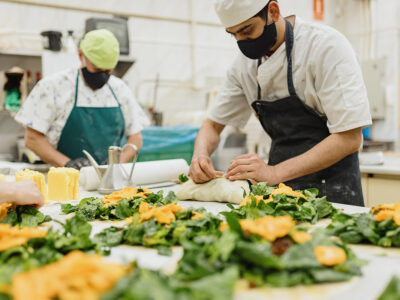
Live Chef Stations: Watching a culinary professional prepare food adds an element of theater and freshness. Live pasta tossing stations with custom sauces, interactive ramen bars, or sushi chefs hand-rolling to order are impactful. This format highlights ingredient quality and allows for unparalleled customization.
-
Manned Dessert and Snack Bars: Interactive stations are not limited to entrees. Manned dessert bars, such as made-to-order crepe stations, sophisticated artisanal gelato carts, or customizable gourmet popcorn bars for afternoon breaks, keep attendees excited.
-
Unique Beverage Carts: The average corporate client seeks experience. Beverage stations have evolved beyond basic soda setups to include interactive coffee bars with latte art masters, specialty kombucha stations on tap, or customizable infused water hydrations stations.
Elevated Health, Wellness, and Performance Menus
The corporate world is increasingly focused on the link between employee nutrition and productivity. Clients are demanding menus that support cognitive function, eliminate energy crashes, and provide clean fuel for long meetings. This trend prioritizes functional nutrition and premium, whole-food ingredients.
-
Brain Food and Anti-Fatigue Menus: Caterers are working with nutritionists to develop menu items rich in Omega-3 fatty acids, antioxidants, and slow-release carbohydrates. Examples include wild-caught salmon, blueberries, avocados, nuts, and complex grains. Afternoon breaks might replace sugary pastries with high-protein energy bites, green juices, and smart-snacking options like edamame and nuts.
-
Functional Mocktails and Wellness Beverages: With less emphasis on alcoholic offerings at lunch or daytime functions, there is a surge in creative, functional non-alcoholic options. Caterers are crafting non-alcoholic cocktails using ingredients like fresh-pressed botanicals, ginger, adaptogenic herbs, and house-made shrubs. Wellness shot stations (e.g., ginger-turmeric) are also making their debut.
-
Hyper-Fresh and Organic Sourcing: The “farm-to-table” ethos is moving squarely into the corporate arena. Clients are asking for ingredient provenance, wanting to know if produce is organic, local, or sustainably sourced. Displaying the origin of ingredients reinforces quality and corporate social responsibility.
Sustainability and Zero-Waste Commitments
Corporate clients are increasingly aligned with environmental goals, and their catering choices must reflect this. A commitment to sustainability, both in sourcing and in minimizing waste, is a powerful differentiator for catering businesses.
-
Waste Audits and Food Rescue Programs: Caterers are proactively managing food waste through rigorous portion planning and post-event waste audits. Partnership with local food rescue organizations is a significant trend, allowing surplus food to be donated rather than discarded, which clients value greatly.
-
Edible Centerpieces and Sustainable Décor: To minimize waste, centerpieces are shifting from traditional flowers to edible arrangements, such as artistically arranged fresh fruits, herbs in pots that double as guest take-aways, or reusable, rental-based decor elements.
-
The Demise of Single-Use Plastics: The demand for sustainable service ware is unwavering. This includes the elimination of plastic water bottles in favor of hydration stations, biodegradable service plates and cutlery (bamboo or plant-based plastics), and reusable linens. Clients expect to see the absence of single-use items as a standard part of a proposal.
Global Flavor Profiles and Bold Cuisines
As corporate teams become more diverse and travel increases, culinary tastes have broadened. Attendees are no longer satisfied with conservative American fare; they crave authentic global experiences that expand their palates.
-
Authenticity Over Approximation: Clients want genuinely authentic international cuisine rather than simplified versions. If a caterer offers Korean BBQ or Indian Street Food, it must use correct ingredients and authentic techniques. This trend highlights a caterer’s skill and commitment to culinary excellence.
-
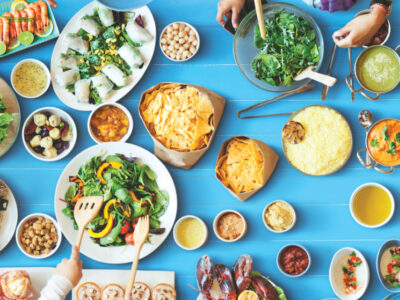
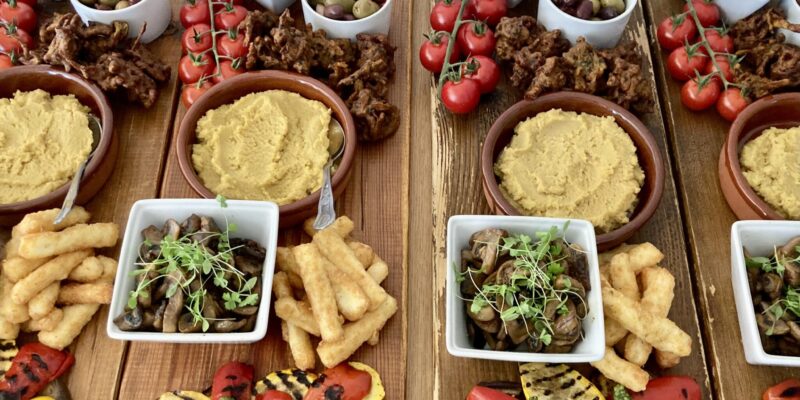
Global Grazing Tables: The standard cold-cut platter has been replaced by the global grazing board. Think massive, visually stunning platters featuring artisanal cheeses from France, authentic cured meats from Italy, Middle Eastern dips like hummus and muhammara, and Asian-inspired bites.
-
Pan-Asian and African Cuisines on the Rise: While Mexican and Italian remain staples, there is increased interest in Vietnamese Banh Mi stations, Moroccan Tagine, West African stews, and modern Filipino dishes.
Flexible and Non-Traditional Formats
The structure of the workday is changing, and corporate catering is evolving to match it. Modern clients need culinary solutions that reflect how they now work, collaborate, and connect.
-
All-Day Grazing and Snack Breaks: For intense brainstorming or training days, all-day grazing is a popular format. A central food station is stocked throughout the day with shifting options: light breakfast fare, fresh-pressed juices, protein-rich mid-morning snacks, casual lunch components, and engaging afternoon breaks. This structure keeps attendees energized without disruptive main meal breaks.
-
Hybrid Meeting Solutions: As hybrid work models persist, catering must adapt. Planners are seeking solutions that can feed both an in-person team and remote attendees. This might involve a boxed lunch or personalized meal package sent directly to virtual participants, ensuring a cohesive event experience.
-
Non-Traditional Dayparts: Corporate dining is no longer confined to breakfast and lunch. Breakfast meetings are moving later into “brunch-time,” and early evening networking happy hours with substantial grazing options are often replacing formal plated dinners.
Leveraging the Trends
Success in corporate catering depends on more than just execution; it hinges on anticipation and innovation. Today’s clients are highly informed and visually driven, sharing event experiences on internal social channels and professional platforms. By actively integrating interactive experiences, hyper-personalization, commitment to sustainability, and elevated nutritional standards into their models, caterers not only satisfy their clients but also solidify their reputation as contemporary industry leaders. The future of corporate catering is centered on health, inclusivity, and creating remarkable moments that align seamlessly with business objectives.
Frequently Asked Questions
How far in advance should we secure dietary requests for large corporate events?
To manage dietary inclusion effectively, it is best to capture these requests during the registration or RSVP process, aiming to have at least 85% of specific requirements finalized two weeks before the event. This allows the catering team to procure specialized ingredients (e.g., gluten-free items, specific vegan proteins) and finalize inclusive menu designs without rush surcharges. For any last-minute needs, always build a buffer of inclusive options (specifically vegan and gluten-free) into your master count.
How can we introduce brain food menus without sacrificing flavor or familiarity?
It is crucial to frame “health-conscious” catering as an elevated culinary experience rather than a restrictive diet. Instead of standard, bland health food, focus on gourmet preparations. Present Omega-3 rich options like citrus-baked salmon on a bed of herb-infused quinoa or a vibrant anti-oxidant salad with berries and artisanal vinaigrette. Use familiar formats like power bowls or grain bars where guests self-select ingredients; they naturally gravitate toward whole, healthy choices when presented beautifully.
Are interactive food stations cost-effective for large corporate lunch meetings?
Interactive stations, particularly those requiring a dedicated chef, have a higher labor cost. However, they can be more food-efficient as chefs control portioning at the point of service, often leading to less waste than traditional buffet setups. The real value is in the guest experience. To optimize costs, consider interactive stations for afternoon breaks or networking breakfasts, which utilize fewer high-cost proteins than full lunch stations.
What is the best way to present inclusive food options without stigmatizing guests with allergies?
Labeling is key. Clearly and elegantly label every dish on a buffet or station with a comprehensive key (GF for Gluten-Free, V for Vegan, DF for Dairy-Free, and a symbol indicating common allergens like nuts). When designing the menu, aim to make as many items as possible “safe” for multiple dietary needs. For example, if your entire dessert bar is inherently gluten-free and vegan, everyone enjoys the same experience, and no one feels excluded or singled out.
How do global cuisines affect planning for average spice tolerances in a mixed corporate setting?
Authenticity should not mean overwhelming guests with intense heat. When offering global cuisines like Thai or Mexican, communicate with the client about their team’s average spice tolerance. A smart approach is to offer dish components with varying heat levels. For example, a Thai curry station can feature a milder green curry alongside an optional house-made chili sauce or sambal, allowing each guest to customize their preferred spice intensity. Always ensure a non-spicy protein or starch option is available.
How can we track food donation for corporate social responsibility metrics?
Work with your food rescue partner to ensure they can provide documentation of donated pounds or meals. Many large food rescue organizations provide impact reports detailing the equivalent weight, carbon offset, and local impact of donations. These reports provide invaluable, quantitative data that corporate clients can use in their internal social responsibility metrics and annual sustainability reporting.