 By Nate Bash
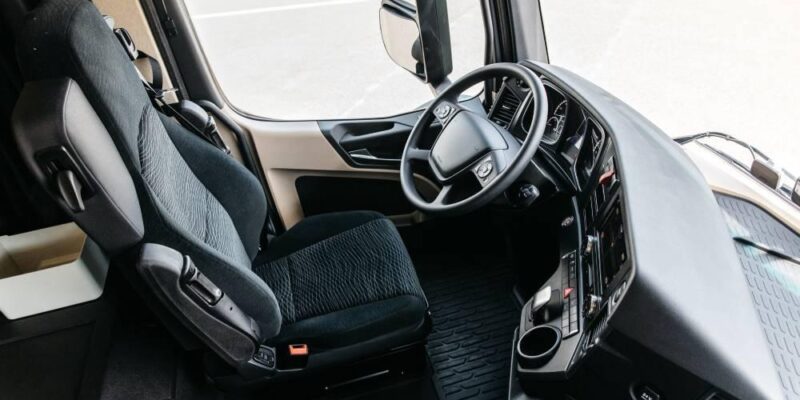
For the millions of men and women who crisscross continents in semi-trucks, their cab is more than just a workspace; it’s a home, an office, and a sanctuary for countless hours. Long-haul trucking is a hard job marked by long stretches of sitting, continual vibration exposure, and mental strain from negotiating great distances. One of the most critical elements in mitigating the physical toll of this lifestyle, and fundamentally transforming the long-haul experience, is the evolution of the bostrom semi truck seats.
The Hidden Toll of the Open Road: Why Seat Comfort Matters
The human body is not designed for prolonged sitting, especially not in an environment subject to constant bumps, jolts, and vibrations. Without proper support, long hours behind the wheel can lead to a cascade of health issues:
- Musculoskeletal Pain: Chronic back pain, neck stiffness, shoulder discomfort, and hip issues are rampant among truck drivers. These arise from poor posture, inadequate lumbar support, and repetitive micro-traumas from road vibrations.
- Fatigue and Drowsiness: Discomfort leads to constant shifting, which disrupts focus. Pain can also be mentally exhausting, contributing to driver fatigue – a significant safety hazard.
- Circulatory Problems: Prolonged sitting can impede blood flow, potentially contributing to issues like deep vein thrombosis (DVT) over time.
- Reduced Quality of Life: Persistent pain and discomfort don’t just affect work performance; they severely impact a driver’s quality of life off the road, making relaxation and personal activities difficult.
Understanding these significant effects, manufacturers have substantially invested in constructing seats that not only provide a place to sit but also actively support, adapt, and cushion the driver, so turning their “throne of the road” into a very ergonomic command center.
The Core Pillars of Advanced Seat Design
Modern semi-truck seats mix numerous technology and design concepts to offer great comfort, and engineering wonders.
- Advanced Air Suspension Systems
The most fundamental upgrade from traditional spring-based seats is the widespread adoption of air suspension.
- Vibration Isolation: Air-ride systems absorb road shocks and vibrations far more effectively than mechanical springs, dramatically reducing the impact transferred to the driver’s spine and body. This significantly mitigates the cumulative trauma associated with long-haul driving.
- Adjustable Ride: Drivers can often adjust the air pressure to customize the firmness or softness of the ride, tailoring it to their weight, road conditions, and personal preference.
- Fore/Aft Isolation: Many advanced seats include a separate air suspension system for fore/aft (front-to-back) movement, further dampening the jarring effects of acceleration and braking.
- Multi-Directional Adjustability
Beyond simple height and recline, advanced seats offer an astonishing array of adjustments to perfectly fit the driver’s unique physique.
- Lumbar Support: Multi-zone pneumatic lumbar support systems allow drivers to inflate or deflate specific areas of the lower back support, providing personalized contouring that maintains the spine’s natural curve.
- Seat Cushion Tilt and Depth: The ability to adjust the angle and depth of the seat cushion helps to relieve pressure points on the thighs and improve blood circulation.
- Upper Back and Shoulder Support: Some high-end seats offer adjustable upper back bolsters that conform to the driver’s shoulders, providing comprehensive spinal support.
- Integrated Climate Control
To combat the extremes of temperature encountered across vast distances, advanced seats often incorporate sophisticated climate control features.
- Heating Elements: Built-in heating pads provide warmth in cold climates, soothing muscles and improving comfort during chilly nights or winter drives.
- Ventilation/Cooling Systems: Integrated fans draw air through perforated upholstery, providing active cooling that prevents sweating and discomfort in hot environments, significantly enhancing endurance.
Conclusion
The semi-truck seat, once a simple fixture, has evolved into a sophisticated piece of ergonomic engineering. By addressing the unique physical demands of long-haul driving through advanced air suspension, multi-directional adjustability, climate control, and integrated smart technologies, these “thrones of the road” are doing more than just providing a place to sit.
They are fundamentally transforming driver comfort, enhancing health, bolstering safety, and ultimately, playing an indispensable role in the seamless and sustainable operation of the global supply chain. For the dedicated individuals who keep the world moving, these advanced seats are not a luxury, but a necessity that ensures they can perform their vital role with greater ease and well-being.