
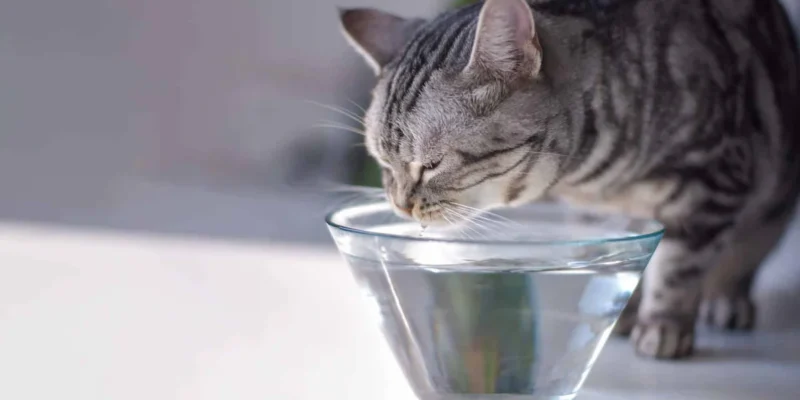
 By Nate Bash
Domestic cats are notorious for their low thirst drive. While a dog will readily lap up water after a brief play session, a cat might completely ignore their water bowl for most of the day. This behavior is not just a stubborn quirk; it is rooted deeply in evolutionary biology. Unfortunately, chronic dehydration in indoor cats can lead to serious health complications, including urinary tract infections, kidney disease, and bladder stones.
As a responsible pet parent, understanding the mechanics of feline hydration and employing targeted strategies to encourage drinking is vital for your cat long-term wellness.
The Evolutionary Roots of Feline Thirst
To solve the puzzle of cat hydration, you must first look at their ancestors. The domestic cats we share our homes with today evolved from the African wildcat (Felis lybica), a desert-dwelling predator. In an arid desert environment, standing water sources are scarce and frequently contaminated. To survive, these small wildcats adapted to extract nearly all of their necessary daily moisture directly from their prey. A mouse, bird, or lizard consists of roughly seventy percent water.
Because their diet provided adequate moisture, these desert cats never developed a strong, conscious drive to seek out standing water. They only drink when they are experiencing severe, advanced dehydration.
Modern indoor cats retain this identical physiology. When we feed them a diet consisting primarily or exclusively of dry kibble, which typically contains only six to ten percent moisture, their bodies remain in a state of mild, chronic dehydration. They do not automatically make up for this deficit by drinking more water from a bowl, because their instinctual thirst trigger remains muted.
The Physical Signs of a Dehydrated Cat
Recognizing the subtle warning signs of dehydration can allow you to intervene before a medical emergency develops. Because cats are masters at hiding discomfort, you must actively look for these physical indicators:
-
Poor Skin Elasticity: Gently pinch the skin between your cat shoulder blades and release it. In a well-hydrated cat, the skin snaps back instantly. If the skin takes several seconds to return to its original position, your cat is dehydrated.
-
Sticky or Dry Gums: Lift your cat lip and feel their gums. Healthy gums are pink, smooth, and slippery. Dry, tacky, or sticky gums indicate a distinct lack of moisture.
-
Lethargy and Weakness: Dehydration causes a drop in blood volume, leaving your cat feeling sluggish, weak, and uninterested in normal activity.
-
Sunken Eyes: In advanced cases of dehydration, the eyes may appear slightly sunken into the sockets, and the third eyelid might become visible.
-
Infrequent Urination: A healthy cat typically uses the litter box to urinate two to four times a day. If you notice fewer or significantly smaller clumps in the litter box, their fluid intake is insufficient.
Dietary Adjustments to Maximize Moisture Intake
The most efficient and natural way to increase your cat fluid intake is to change how you feed them. By shifting the moisture delivery from the water bowl to the food dish, you bypass their naturally low thirst drive entirely.
The Power of Wet Food
Transitioning your cat from a dry kibble diet to high-quality wet canned food is the single most effective action you can take. Canned food mimics the moisture content of natural prey, averaging between seventy-five and eighty percent water. If your cat eats two meals of wet food per day, they are already meeting the vast majority of their biological hydration requirements.
For cats that are thoroughly addicted to the crunch of dry kibble, you can initiate a gradual transition. Start by adding a single teaspoon of wet food next to their dry food, slowly increasing the wet portion while decreasing the dry portion over several weeks.
Flavor Enhancers and Broths
If a complete transition to wet food is not feasible, or if you want to add even more moisture to their routine, you can utilize liquid toppers. Adding a splash of specialized pet-safe bone broth to their dry or wet food can make the meal highly enticing.
Ensure that any broth you use is formulated specifically for pets. Commercial broths made for humans frequently contain high levels of sodium, as well as onions and garlic, which are highly toxic to felines. You can also mix a small amount of warm water directly into their canned food, creating a savory gravy consistency that many cats enjoy lapping up.
Designing the Ultimate Water Station
Cats are incredibly particular about their drinking environment. The physical design and placement of their water stations can either welcome them to drink or completely deter them.
Material Matters
The material of your cat water bowl plays a huge role in the taste and cleanliness of the water. Avoid plastic bowls at all costs. Plastic is highly porous and easily develops microscopic scratches over time. These scratches harbor bacteria, which can cause feline acne on your cat chin and leave an unpleasant odor that repels your cat sensitive nose.
Instead, opt for stainless steel, ceramic, or glass bowls. These materials are non-porous, easy to sanitize, and do not alter the taste of the water.
Strategic Bowl Placement
In the wild, a cat would never drink water located right next to their freshly killed prey, as the carcass could contaminate the water source. Our domestic cats still honor this instinct. If you place your cat water bowl right next to their food bowl, they may refuse to use it. Move the water station at least a few feet away from the feeding area.
Additionally, keep water bowls far away from the litter box. No animal wants to drink near their bathroom area. Place water stations in quiet, low-traffic areas where your cat can drink without feeling vulnerable to sudden noises or ambushes from other household pets.
Multi-Cat Dynamics and Whisker Stress
Cats are susceptible to a phenomenon known as whisker fatigue or whisker stress. A cat whiskers are highly sensitive tactile organs packed with nerve endings. If a water bowl is too narrow or deep, their whiskers will rub against the sides every time they attempt to take a drink. This constant sensory input can be deeply uncomfortable. Choose wide, shallow bowls that allow your cat to drink without their whiskers touching the edges.
In multi-cat households, resource guarding can prevent timid cats from accessing water. Ensure you have multiple water stations scattered across different rooms and levels of your home, so no single cat can block access to the water supply.
The Appeal of Moving Water
In nature, running water signifies freshness and safety, while stagnant water represents potential bacteria and disease. Many cats possess an intense preference for moving water, which explains why they might sprint to the bathroom sink the moment you turn on the faucet.
Investing in an electric pet fountain can revolutionize your cat hydration habits. The continuous circulation keeps the water oxygenated, cool, and appealing. The sound of trickling water also acts as an auditory cue, reminding a passing cat to stop and take a drink.
When utilizing a fountain, remember that maintenance is critical. Filters must be changed according to the manufacturer guidelines, and the entire unit should be dismantled and scrubbed once a week to prevent the buildup of slime and hard water deposits.
Frequently Asked Questions
Can I give my cat ordinary cow milk as a hydration source?
No, you should not give your cat cow milk. Despite the popular cultural trope, the vast majority of adult cats are actually lactose intolerant. They lack sufficient amounts of the enzyme lactase, which is required to break down the sugars found in dairy products. Feeding your cat cow milk can lead to severe gastrointestinal distress, including vomiting, abdominal pain, and diarrhea. Diarrhea accelerates fluid loss, which will ultimately worsen their dehydration rather than fix it.
How much water does an average healthy cat actually need to drink every day?
As a general rule of thumb, a healthy adult cat requires roughly four to five ounces of water per five pounds of body weight each day. Therefore, a standard ten-pound cat needs about eight to ten ounces of total liquid daily. It is vital to note that this number represents total fluid intake, meaning the moisture present in their wet food counts toward this daily goal.
Why does my cat prefer to pat the water surface with their paw before drinking?
Cats have excellent peripheral vision and motion detection, but they struggle to see things clearly that are directly under their noses. They also possess poor depth perception when looking at still, clear water in a bowl. By gently tapping the surface of the water with their paw, your cat creates ripples. These movement cues help them visually locate the exact level of the water surface so they can drink comfortably without accidentally submerging their nose.
Does the temperature of the water affect whether a cat will drink it?
Yes, water temperature can influence feline preferences. Most domestic cats prefer their drinking water to be cool or at room temperature. In the wild, cool moving water usually indicates a fresh, clean source. If the water becomes too warm, especially during hot summer months, it can feel unpalatable to them. Dropping an ice cube or two into their water bowl can cool the liquid down and provide a bit of visual stimulation that encourages them to investigate and drink.
Is distilled water better or safer for my cat than ordinary tap water?
No, you should avoid making distilled water your cat primary source of hydration. The distillation process strips water of all its natural minerals, including essential elements like magnesium, calcium, and potassium. Over extended periods, consuming exclusive distilled water can potentially lead to mineral imbalances in your cat body. Filtered tap water or bottled spring water are much healthier options.
Why does my cat suddenly seem obsessed with drinking out of the toilet bowl?
The water inside a ceramic toilet bowl is often significantly cooler than the water sitting in a small plastic or metal pet bowl on the floor. Additionally, the frequent flushing action keeps the toilet water relatively oxygenated and moving. To break this unsanitary habit, always keep the toilet lid closed and replace your cat standard water dish with a heavy, cooled ceramic bowl or a filtered water fountain placed in a preferred location.